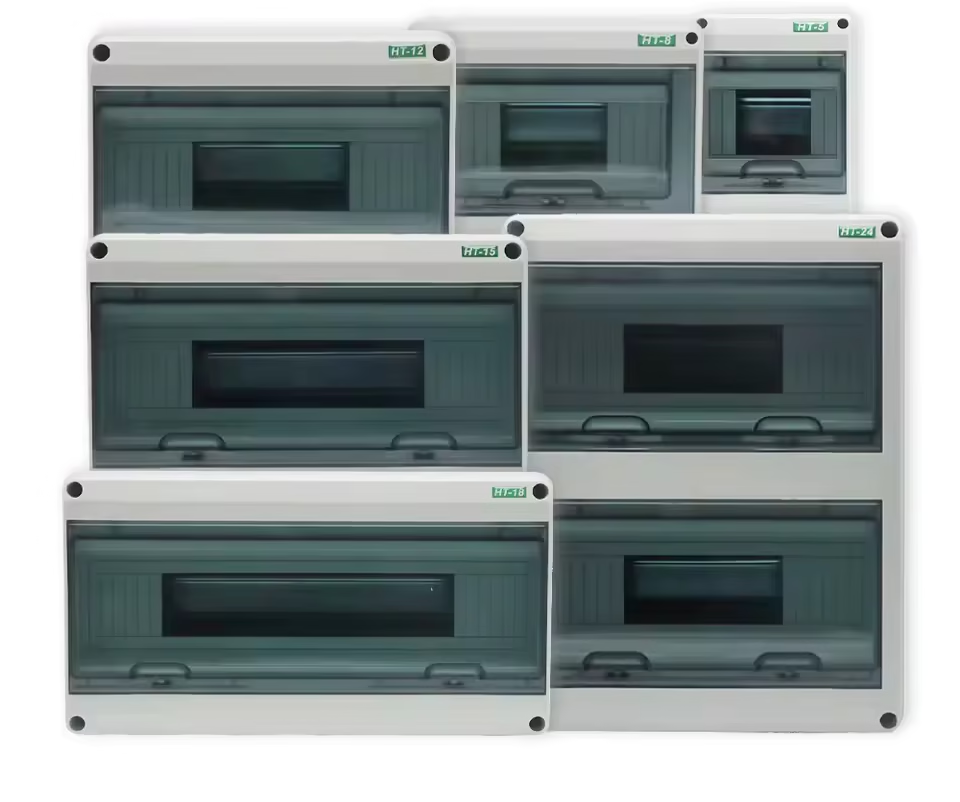



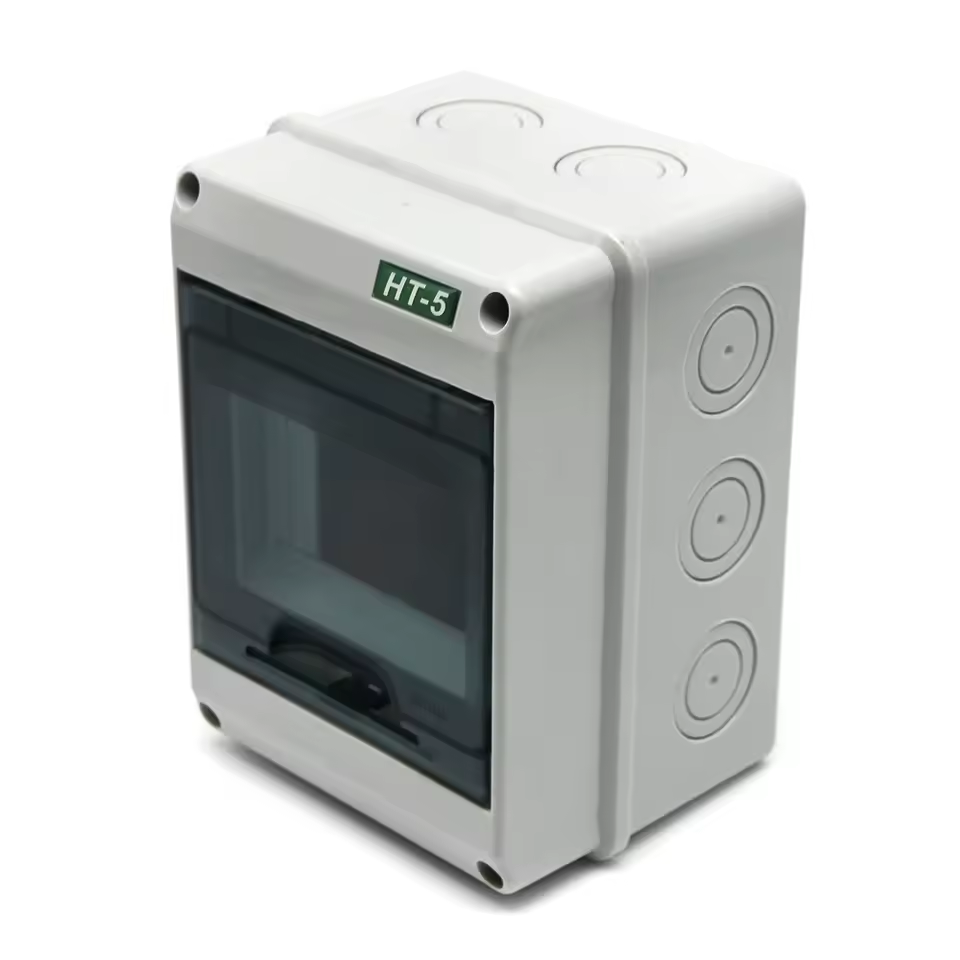
These Weatherproof Distribution Boxes are rugged, surface-mounted enclosures designed to house and protect modular DIN-rail devices such as MCB, RCCB, RCBO, isolators, contactors, timers, and surge protection devices (SPD). Built for indoor or outdoor electrical installations, they provide a clean, organized, and code-friendly solution for distributing power while shielding equipment from dust, splashing water, and harsh site conditions.
The enclosure features a smoked/transparent hinged front cover that allows quick visual inspection of breaker status without opening the door. This helps improve safety, reduces unnecessary access, and supports faster troubleshooting. Multiple sizes are available (as shown), making the series suitable for small single-circuit boards as well as multi-circuit distribution requirements.
Because of their sealed construction and practical design, Weatherproof Distribution Boxes are widely used in electrical installations where protection against environmental exposure is required. These enclosures help maintain an organized electrical layout while protecting installed circuit breakers and modular devices from outdoor conditions such as humidity, dust, and water splashes.
Weatherproof Distribution Boxes Typical Applications
- Outdoor and indoor sub-distribution boards for villas, apartments, shops, offices, and warehouses
- Garden, irrigation, pool and fountain control boards
- Car wash facilities, workshops, garages, and rooftop service areas
- HVAC outdoor isolations and equipment feeders
- Temporary construction site distribution when installed with correct cable glands and protection
These Weatherproof Distribution Boxes allow electricians to install circuit protection devices in environments where standard indoor distribution boards would not be suitable. The enclosure protects internal components while keeping the wiring layout organized and easy to maintain.
Weatherproof Distribution Boxes Construction & Materials
- Enclosure body: impact-resistant, flame-retardant thermoplastic (typically ABS or polycarbonate depending on model)
- Cover/door: transparent or smoked hinged door providing protection while maintaining visibility
- Seal: perimeter gasket designed to maintain enclosure weather resistance
- Fasteners: corrosion-resistant mounting hardware suitable for outdoor environments
- Finish: clean white/gray enclosure commonly used in building service installations
The construction of these Weatherproof Distribution Boxes ensures durability and long service life. The thermoplastic housing provides electrical insulation while maintaining resistance against impact and environmental exposure.
Weatherproof Distribution Boxes Electrical Layout & Compatibility
- Mounting system: internal 35 mm DIN rail for standard modular electrical devices
- Configurable space: available in multiple board sizes depending on the number of circuits required
- Typical device combinations:
- Main switch together with multiple MCB or RCBO circuits
- RCCB protection groups with outgoing MCB circuits
- SPD surge protection combined with breakers and control components
- Cable entry: pre-formed knockouts located on top, bottom, or sides depending on enclosure design
- Accessories: internal mounting brackets, DIN rails, and fixing points depending on supplied model
Weatherproof Distribution Boxes Protection Ratings
Final ratings depend on the exact enclosure model; confirm specifications from the product label or manufacturer datasheet before installation.
- Ingress Protection (IP): typically IP65 providing dust-tight protection and resistance against water jets
- Impact resistance: commonly within the IK07–IK08 range depending on model
- Operating environment: suitable for damp locations and outdoor installations when properly sealed
- Installation type: surface mounting on walls or structural panels
Installation Best Practice for Weatherproof Distribution Boxes
- Use appropriate cable glands and seal unused knockouts to maintain enclosure IP rating.
- Keep cable entries downward-facing where possible to reduce water tracking.
- Install on a stable vertical surface and ensure the door closes completely.
- Select protective devices according to project electrical design and local regulations.
For additional information about enclosure protection ratings and electrical installation standards, refer to the
International Electrotechnical Commission (IEC)
or the
Electrical Installation Guide
which provide global references for safe electrical systems.