

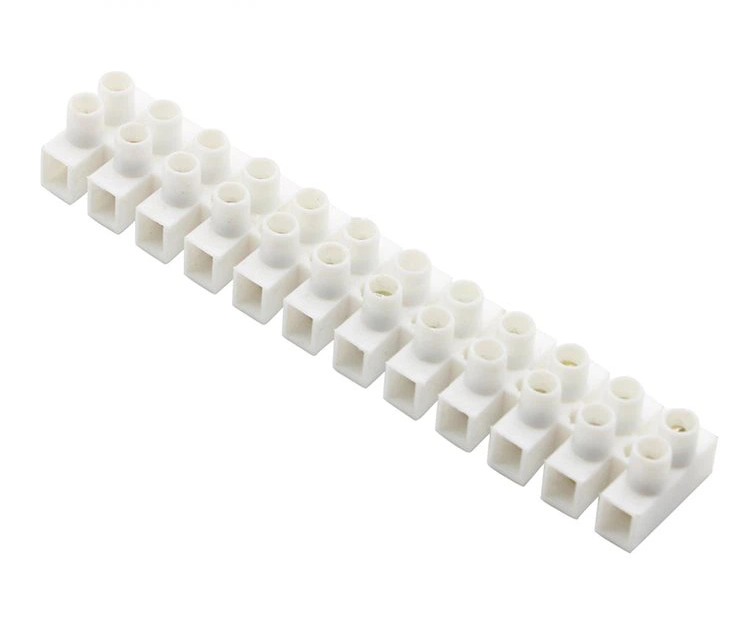
The Screw Terminal Connector Strip is a practical multi-way wiring connector designed to
join, extend, or distribute electrical conductors safely inside junction boxes, lighting fixtures,
control panels, and general building wiring systems. This type of connector is widely used in electrical
installations because it provides a simple and reliable method of connecting wires without soldering or
specialized tools.
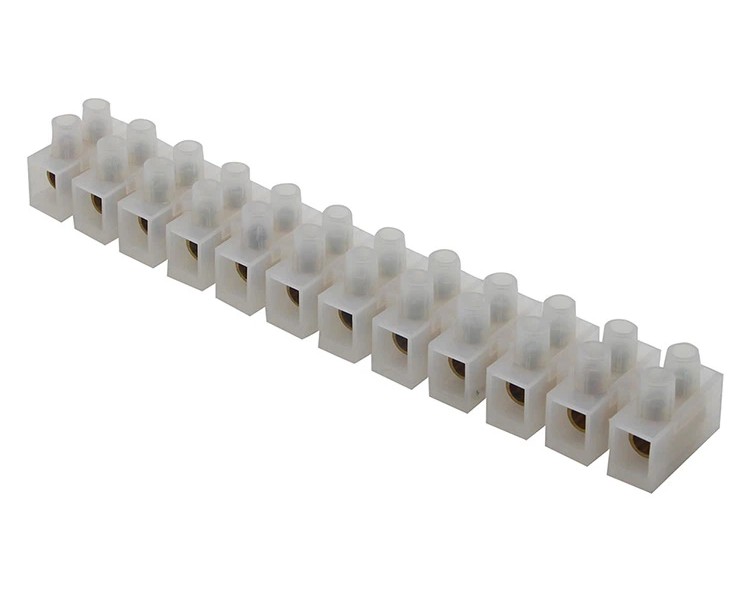
A typical Screw Terminal Connector Strip is supplied as a multi-pole strip, commonly 12 ways,
which can easily be cut into the required number of poles depending on the application.
For example, installers can separate the strip into 1-way, 2-way, 3-way, or larger connector groups to match
the required circuit configuration. This cuttable design makes the product especially useful for installers,
electricians, and maintenance teams who require flexibility when terminating or extending wiring.
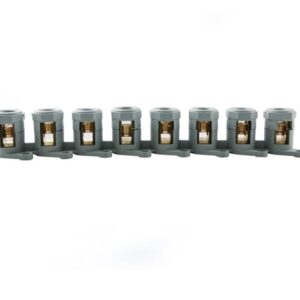
Each pole of the Screw Terminal Connector Strip contains a
metal conductor insert, typically made from brass, combined with
two screw-clamp terminals. These screw clamps allow two cable ends to be secured firmly inside
the connector, creating a stable electrical contact with low resistance. The use of metal inserts ensures
reliable conductivity while the screw-clamp mechanism provides strong mechanical retention for the wires.
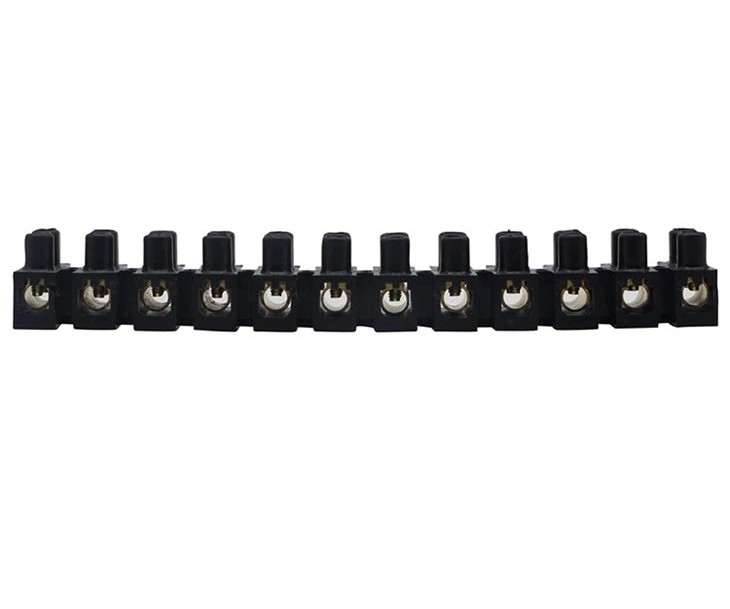
The insulated housing of the connector strip is manufactured from durable thermoplastic and is commonly
available in white, black, and transparent versions. These color options allow installers to select
the most appropriate type depending on the installation environment. The transparent version is particularly
useful for quick visual inspection because it allows technicians to confirm correct wire insertion and
terminal seating before tightening the screws.
Screw Terminal Connector Strip Applications
Because of its simple installation and versatile design, the Screw Terminal Connector Strip is
commonly used in a wide range of electrical wiring tasks. It provides a reliable method for connecting
conductors in both residential and commercial installations where safe and organized wire termination
is required.
- Lighting fixtures, ceiling roses, and lamp connections
- Junction boxes and general wiring terminations
- Small control panels and indoor electrical distribution points
- Extending cables during maintenance or electrical repairs
- Internal wiring of appliances and equipment (within rated limits)
Screw Terminal Connector Strip Construction & Materials
- Housing: insulated thermoplastic body (color options: white / black / transparent)
- Insert: brass or equivalent metal conductor barrel
- Clamping: steel screw terminals designed for secure tightening
- Format: multi-way strip that can be cut into smaller sections
The design of the Screw Terminal Connector Strip ensures durability and electrical reliability.
Thermoplastic insulation provides protection against accidental contact and short circuits, while
the metal inserts allow stable current transfer between connected conductors.
Screw Terminal Connector Strip Technical Data (Typical / Size-Dependent)
Values vary depending on strip size and manufacturer. Always confirm the exact rating from the product
marking or official datasheet before installation.
- Rated voltage: typically up to 250–380V AC
- Rated current: typically 6A to 150A depending on strip size (small to heavy-duty)
- Cable capacity: commonly 0.2–60 mm² depending on size
- Number of ways: commonly 12 ways per strip
- Wire type: suitable for solid and stranded conductors
- Installation: tighten screws to secure conductors without overtightening
Key Benefits of Using a Screw Terminal Connector Strip
- Cut-to-length flexibility: one strip can provide multiple pole configurations
- Strong and reliable electrical connection: screw-clamp terminals with metal inserts
- Multiple housing colors: white, black, and transparent options
- Wide compatibility: suitable for lighting circuits and general electrical wiring
- Neat wiring organization: helps keep connections tidy inside enclosures
For general electrical installation guidelines and connector safety practices, you can refer to the
International Electrotechnical Commission (IEC) standards
or electrical installation guidance provided by
Electrical Installation Guide.