



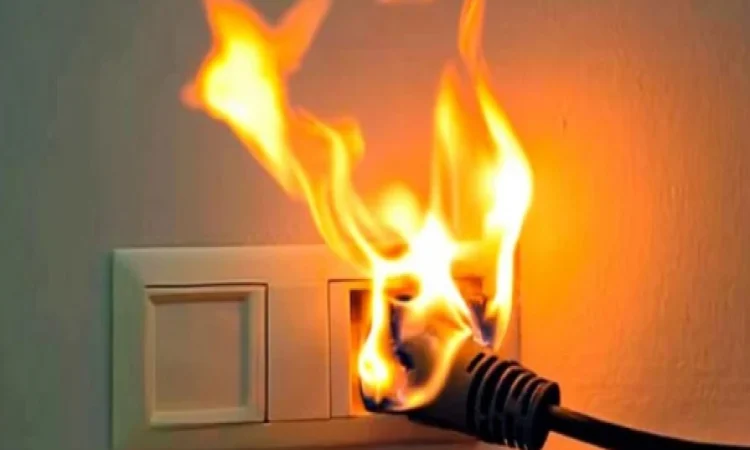
Safety from Electrical Fires: A Complete Guide to Prevention and Protection
Electrical fires are among the leading causes of property damage, business interruption, and injuries worldwide. Whether in homes, offices, commercial facilities, or industrial environments, understanding safety from electrical fires is essential for protecting lives, equipment, and valuable assets.
Most electrical fires are preventable. By following proper safety practices, maintaining electrical systems, and installing reliable fire protection equipment, organizations and homeowners can significantly reduce the risk of devastating incidents.
This guide explains the common causes of electrical fires, practical prevention strategies, warning signs to watch for, and the importance of modern fire protection systems.
What Are Electrical Fires?
Electrical fires occur when electrical equipment, wiring, or circuits generate enough heat or sparks to ignite nearby combustible materials.
Unlike ordinary fires, electrical fires require specialized safety procedures because electricity remains a potential hazard until the power source is disconnected.
Electrical fires can begin from something as small as a damaged cable and quickly spread throughout an entire building if not detected early.
Common Causes of Electrical Fires
Understanding what causes electrical fires is the first step toward effective prevention.
1. Overloaded Electrical Circuits
Connecting too many high-power devices to a single outlet or circuit can generate excessive heat, increasing the likelihood of fire.
2. Faulty or Aging Wiring
Old, damaged, or improperly installed wiring is one of the most common causes of electrical fires. Cracked insulation and loose connections can create dangerous electrical arcs.
3. Poor Electrical Installations
Electrical systems that do not comply with safety standards often contain hidden hazards that may eventually lead to fire.
Professional installation by qualified electricians is always recommended.
4. Defective Electrical Equipment
Low-quality electrical products, damaged extension cords, counterfeit chargers, and malfunctioning appliances increase the risk of overheating and electrical ignition.
5. Lack of Preventive Maintenance
Ignoring routine inspections allows small electrical problems to become major fire hazards over time.
Regular maintenance helps identify issues before they become dangerous.
How to Prevent Electrical Fires
Preventing electrical fires requires a combination of good habits, proper equipment, and routine inspections.
Install High-Quality Circuit Breakers
Modern circuit breakers automatically disconnect power when they detect overloads or short circuits, preventing dangerous heat buildup.
Schedule Regular Electrical Inspections
Professional inspections should include:
- Electrical panels
- Distribution boards
- Wiring systems
- Power outlets
- Switches
- Grounding systems
Routine inspections significantly reduce electrical fire risks.
Avoid Overloading Power Outlets
Power strips and extension cords should never be overloaded with multiple high-wattage appliances.
Each electrical circuit has a maximum safe capacity.
Replace Damaged Wiring Immediately
Never ignore exposed wires, melted insulation, loose outlets, or damaged electrical cables.
Replacing damaged components early prevents larger problems later.
Use Certified Electrical Products
Always purchase electrical equipment that complies with recognized international safety standards.
Certified products undergo extensive safety testing and provide greater reliability.
Why Fire Protection Systems Matter
Even with proper electrical safety practices, accidents can still occur.
Modern fire protection systems provide early detection and rapid response, minimizing damage and protecting occupants.
Common fire protection systems include:
- Fire alarm systems
- Smoke detection systems
- Heat detectors
- Automatic fire suppression systems
- Portable fire extinguishers
- Emergency notification systems
These systems are essential in residential, commercial, healthcare, educational, and industrial facilities.
Choosing the Right Fire Protection System
Selecting the appropriate fire protection solution depends on several factors:
- Building size
- Occupancy type
- Electrical load
- Industry requirements
- Local fire regulations
- Risk assessment
Working with experienced fire protection specialists ensures compliance with applicable safety standards while providing the highest level of protection.
Warning Signs of Electrical Fire Hazards
Many electrical fires provide early warning signs before ignition.
Watch for:
- Burning odors
- Warm electrical outlets
- Frequent circuit breaker trips
- Flickering lights
- Buzzing electrical panels
- Sparks from outlets
- Discolored switches
- Hot electrical cords
If any of these warning signs appear, have the electrical system inspected immediately.
What to Do During an Electrical Fire
If an electrical fire occurs:
- Disconnect the power source if it is safe to do so.
- Never use water on an electrical fire.
- Use a Class C or multipurpose fire extinguisher suitable for electrical fires.
- Evacuate the building if the fire spreads.
- Contact emergency services immediately.
- Do not restore power until the system has been inspected by qualified professionals.
The Importance of Preventive Maintenance
Preventive maintenance is one of the most cost-effective ways to improve electrical fire safety.
Benefits include:
- Early fault detection
- Lower repair costs
- Increased equipment lifespan
- Reduced downtime
- Improved workplace safety
- Better regulatory compliance
Regular maintenance protects both people and business operations.
Why Investing in Electrical Fire Safety Is Worth It
Investing in fire prevention is significantly less expensive than recovering from a major fire.
Proper fire protection helps organizations:
- Protect employees
- Safeguard customers
- Preserve valuable assets
- Reduce insurance claims
- Maintain business continuity
- Meet legal safety requirements
Electrical fire safety should always be viewed as a long-term investment rather than an operational expense.
Best Practices for Long-Term Electrical Fire Safety
Organizations should establish a proactive safety culture by:
- Training employees on electrical safety procedures
- Performing regular risk assessments
- Testing fire alarm systems periodically
- Maintaining emergency evacuation plans
- Keeping electrical panels accessible
- Replacing outdated equipment
- Following manufacturer maintenance schedules
Continuous improvement greatly reduces the likelihood of electrical fire incidents.
Conclusion
Safety from electrical fires begins with awareness and continues through proper maintenance, professional electrical installation, and reliable fire protection systems.
By identifying hazards early, using certified electrical equipment, and implementing comprehensive fire safety solutions, homeowners and businesses can protect lives, reduce financial losses, and ensure long-term operational safety.
Electrical fire prevention is not just about compliance—it is about creating safer environments for everyone.
External References
For additional credibility, reference authoritative organizations such as: